Best Ayurvedic Treatment Hospital in Thiruvananthapuram, Kerala, India
Ayurmana is a premium Ayurvedic treatment hospital located in Thiruvananthapuram, Kerala, India. It is operated by Dharma Ayurveda, which has been renowned for its Ayurvedic Specialists for more than nine generations. Each dharma experience is a chance to discover how to achieve the most profound and enduring recovery and the highest quality of life imaginable. Dharma healers pursue a therapeutic path that combines traditional medicine with an enthusiastic focus on the body’s innate recuperative abilities. These renowned Ayurvedic practitioners have been helping people for decades, and they still use the same time-tested techniques and medicines they have always used.
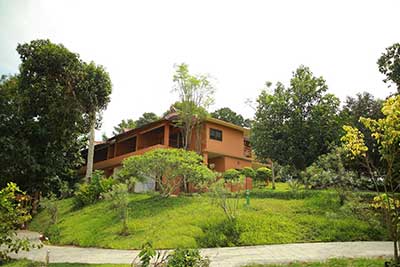
Located on a picturesque hilltop in Thiruvananthapuram, this renowned ayurveda wellness centre provides an ideal environment for the therapeutic techniques of Ayurveda, one of the world’s oldest and most esteemed medical systems, to take effect on your entire being.
The therapeutic procedures employ time-tested techniques and the greatest Ayurvedic treatments in Kerala, India, in order to achieve a rapid and long-lasting cure. To ensure a smooth and pleasant healing process, our team of renowned Ayurvedic specialists will have a session with you on a regular basis to hear your concerns and update you on your recovery.